
 By Admin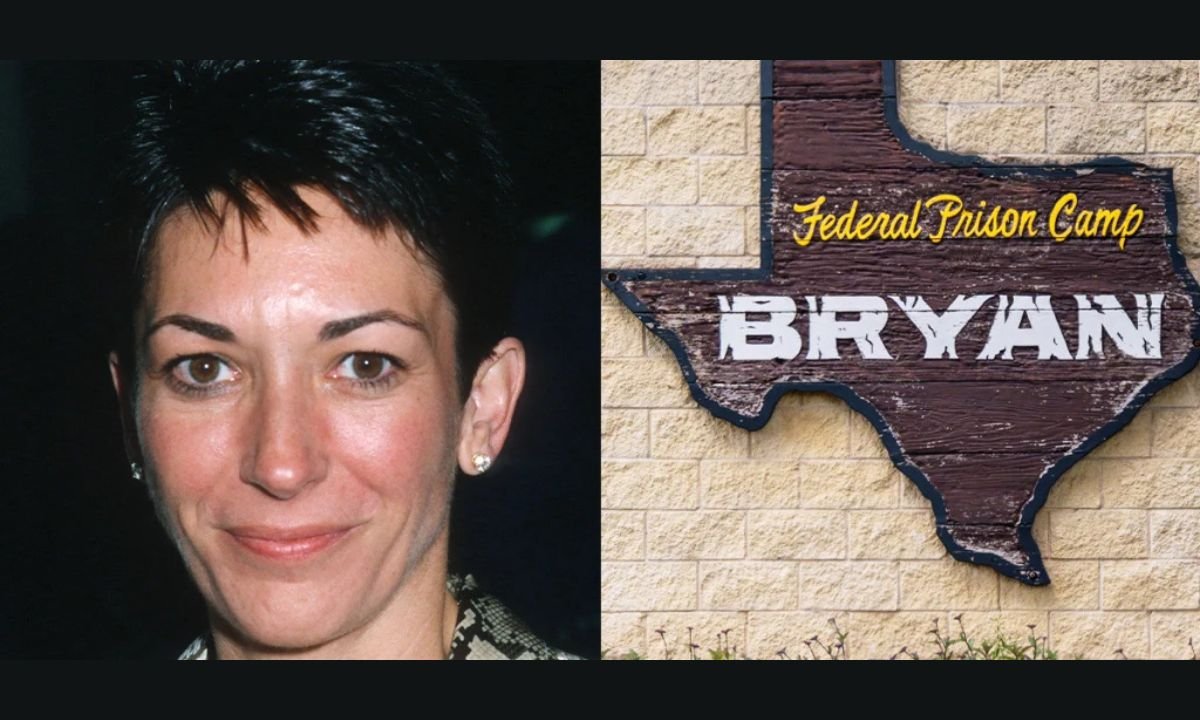
- Research indicates that FPC Bryan operates as a minimum-security camp with relatively relaxed conditions compared to higher-security facilities, but recent allegations suggest systemic issues like favoritism and abuse undermine its rehabilitative goals.
- High-profile residents, including Ghislaine Maxwell, have spotlighted claims of preferential treatment, raising questions about equity and oversight in BOP facilities.
- Congressional scrutiny, including planned visits and demands for investigations, highlights ongoing efforts toward carceral reform, though progress remains uncertain amid political tensions.
- Evidence leans toward the need for stronger enforcement of laws like the Prison Rape Elimination Act (PREA), as whistleblower reports point to a culture that may tolerate misconduct while punishing those who speak out.
- Families and advocates emphasize that while programs exist for rehabilitation, inconsistent application affects vulnerable female offenders, calling for balanced accountability without assuming all claims are uncontested.
Overview of FPC Bryan
FPC Bryan, a minimum-security federal prison camp in Bryan, Texas, houses around 630 female offenders convicted primarily of nonviolent and white-collar crimes. Managed by the Federal Bureau of Prisons (BOP), part of the Department of Justice, it emphasizes rehabilitation through programs like vocational training and drug treatment, but recent controversies have drawn attention to its operations.
Notable Residents and Daily Life
Residents include high-profile figures such as Ghislaine Maxwell, transferred in August 2025, alongside Elizabeth Holmes and Jen Shah. Life involves dormitory-style housing, work assignments, and access to recreation, though rules are strict to maintain order.
Allegations of Misconduct
Whistleblowers have reported widespread sexual misconduct, with over a dozen accounts detailing abuse by staff and inadequate investigations. These claims, if verified, violate PREA standards aimed at preventing such incidents in BOP facilities.
Push for Reform
Congressional oversight, including letters from Reps. Jamie Raskin and Robert Garcia, demands accountability and probes into retaliation against inmates. This reflects broader calls for reform in minimum-security prison camps, acknowledging complexities in balancing security with humane treatment.
Federal Prison Camp (FPC) Bryan, located in Bryan, Texas, serves as a minimum-security facility for female offenders under the Federal Bureau of Prisons (BOP). Established in 1989 on a 37-acre site formerly occupied by a private school, the camp houses approximately 630 inmates, focusing on nonviolent and white-collar offenders with sentences typically under 10 years. As a satellite camp without bars or fences, it emphasizes rehabilitation over punishment, offering programs that prepare inmates for reentry into society. However, recent allegations of sexual misconduct, preferential treatment for high-profile residents, and retaliation against whistleblowers have thrust FPC Bryan into the national spotlight, prompting congressional oversight and calls for reform within the broader context of the Department of Justice’s management of BOP facilities.
This article provides a comprehensive overview of FPC Bryan’s operations, from its daily rules and inmate programs to the serious institutional challenges it faces. Drawing on verifiable reports, legal frameworks, and ongoing investigations, it examines how these issues intersect with federal laws like the Prison Rape Elimination Act (PREA) and the push for carceral reform. While the facility aims to foster constructive environments, evidence suggests gaps in accountability that affect inmates, staff, and public trust in the system.
Background & Legal Context
FPC Bryan opened in 1989 as part of the BOP’s network of minimum-security prison camps designed for low-risk female offenders. The BOP, an agency under the Department of Justice, oversees 122 federal facilities nationwide, with a mission to provide humane custody while reducing recidivism through education and vocational training. Minimum-security camps like FPC Bryan lack traditional prison features such as cell blocks or armed guards, instead relying on inmate self-discipline and community-style living to promote rehabilitation.
Historically, FPC Bryan has faced security lapses, including at least three inmate escapes since 2017, highlighting vulnerabilities in its open design. More critically, reports of staff misconduct date back years, with at least seven female inmates allegedly sexually assaulted by guards. These incidents align with broader patterns in BOP facilities, where a 2022 Senate investigation revealed sexual abuse in two-thirds of women’s prisons, often enabled by management failures and inadequate investigations.
The legal foundation for addressing such issues includes PREA, enacted in 2003 to eliminate sexual abuse in prisons through standards for prevention, detection, and response. PREA mandates audits, like the one conducted at FPC Bryan in 2023, which assessed compliance but did not prevent subsequent allegations. Additionally, the First Step Act of 2018 allows inmates to earn sentence reductions through programming, a feature prominent at FPC Bryan. The Federal Prison Oversight Act of 2024 further enhances transparency by requiring regular inspections and establishing an independent ombudsman to handle complaints. These laws reflect congressional intent to balance security with inmate rights, drawing from precedents like Supreme Court rulings on cruel and unusual punishment under the Eighth Amendment.
Key Legal Issues Explained
At the heart of FPC Bryan’s controversies are violations of inmate rights and institutional accountability. PREA, for instance, criminalizes sexual abuse in federal custody under 18 U.S.C. § 2243, requiring facilities to investigate complaints promptly and protect whistleblowers. In plain terms, this means any staff-inmate sexual contact is illegal, with penalties including fines and imprisonment. However, reports indicate numerous complaints at FPC Bryan were improperly handled, allowing abuse to persist.
Inmate rules at FPC Bryan emphasize compliance, with discipline ranging from loss of privileges to transfer for violations. Programs like the Residential Drug Abuse Program (RDAP) offer up to a year off sentences for participants, while the STAGES program addresses mental health needs. Visitation rules allow family contact under supervised conditions, but media access is restricted to maintain security. First Amendment rights permit inmates to speak out, though prisons may limit this for order; retaliation, as alleged here, violates protections under federal law.
Broader issues involve BOP policies prohibiting sex offenders from camps, yet Ghislaine Maxwell’s placement defies this, raising equal protection concerns under the Fifth Amendment. Whistleblower protections, enforced by the DOJ Inspector General, safeguard those reporting misconduct, but retaliation claims suggest failures in these safeguards.
| Key Legal Framework | Description | Relevance to FPC Bryan |
|---|---|---|
| Prison Rape Elimination Act (PREA) | Federal law mandating zero-tolerance for sexual abuse in prisons, with requirements for audits and investigations. | Alleged widespread abuse and improper probes violate standards; 2023 audit assessed compliance but ongoing issues persist. |
| First Step Act | Allows sentence reductions via rehabilitative programs like RDAP. | Inmates like Elizabeth Holmes benefit, but access inequities alleged for high-profile residents. |
| Federal Prison Oversight Act (2024) | Establishes inspections and ombudsman for complaints. | Could address current scandals through enhanced DOJ oversight. |
| BOP Policies on Sex Offenders | Prohibits placement in minimum-security camps. | Maxwell’s transfer contravenes, prompting congressional demands. |
Latest Developments or Case Status
In August 2025, Ghislaine Maxwell was transferred to FPC Bryan following a meeting with Deputy Attorney General Todd Blanche, sparking outrage over policy violations. Reports emerged of her receiving perks like extra supplies, private meals, and a puppy, despite exclusions for sex offenders. Whistleblowers, including fired staff, shared emails showing Maxwell’s satisfaction and alleged staff complicity.
By late 2025, congressional letters from Reps. Raskin and Garcia demanded answers on retaliation and abuse. In January 2026, they announced a February oversight visit, requesting a DOJ IG probe and Warden Tanisha Hall’s interview. Over a dozen whistleblowers detailed sexual assaults, with documents substantiating claims of PREA violations. As of February 2026, the visit’s outcomes remain pending, but it underscores escalating scrutiny.
Who Is Affected & Potential Impact
Inmates, particularly female offenders, bear the brunt, facing potential abuse and unequal access to programs. High-profile residents like Maxwell may exacerbate tensions, as seen in transfers of those who spoke out. Families endure restricted visitations and anxiety over safety, while staff risk retaliation or termination for reporting issues.
Broader impacts affect human rights advocates pushing for reform and the public, as unchecked misconduct erodes trust in the justice system. If unaddressed, it could lead to lawsuits, increased recidivism, and higher costs for taxpayers.
| Affected Group | Potential Impacts |
|---|---|
| Inmates | Risk of abuse, retaliation; unequal program access; delayed reentry. |
| Families | Emotional strain; limited contact; advocacy burdens. |
| Staff | Job insecurity; ethical dilemmas; potential legal liability. |
| Public/Society | Diminished faith in BOP; calls for legislative changes; financial implications from investigations. |
What This Means Going Forward
The scandals at FPC Bryan signal a pivotal moment for BOP reform, potentially leading to stricter enforcement of PREA and enhanced oversight under the 2024 Act. Legal professionals should monitor for class-action suits or appeals challenging conditions, while advocates push for independent audits. If congressional visits yield evidence, it could prompt personnel changes or funding reallocations.
Readers should watch DOJ responses and potential appeals in Maxwell’s case, as they intersect with broader Epstein investigations. This underscores the need for balanced reforms that prioritize accountability without compromising rehabilitation.
Frequently Asked Questions
What is life like at FPC Bryan?
Inmates live in dormitories with access to programs like RDAP and recreation, but rules are enforced strictly; reports describe it as “easy” if compliant, though staff pettiness persists.
Who are the high-profile inmates at FPC Bryan, Texas?
Notable residents include Ghislaine Maxwell (sex trafficking), Elizabeth Holmes (fraud), and Jen Shah (telemarketing fraud).
What is the FPC Bryan sexual abuse investigation?
Whistleblowers allege widespread staff abuse, with congressional demands for a DOJ IG probe into PREA violations.
What are the visitation rules for FPC Bryan?
Visits are supervised, with schedules outlined in BOP guidelines; special arrangements alleged for some inmates raise equity concerns.
What was the congressional visit to FPC Bryan in 2025/2026?
Announced in January 2026 for February, it aims to investigate abuse and favoritism, with requests for warden interviews.
What are FPC Bryan’s security levels and programs?
As a minimum-security camp, it offers low oversight with programs like nursing training and puppy programs (restricted for certain offenders).
Conclusion
FPC Bryan exemplifies the tensions in federal corrections: a rehabilitative model undermined by allegations of abuse and inequity. As congressional oversight intensifies, these issues highlight the urgent need for reform to ensure safety and fairness. Staying informed through reliable sources like the DOJ and congressional reports is essential. This article is for informational purposes only and does not constitute legal advice.
You May Also Like: The Ashcroft Capital Lawsuit: Unpacking Tenant Allegations and Industry Ripples