
 By Admin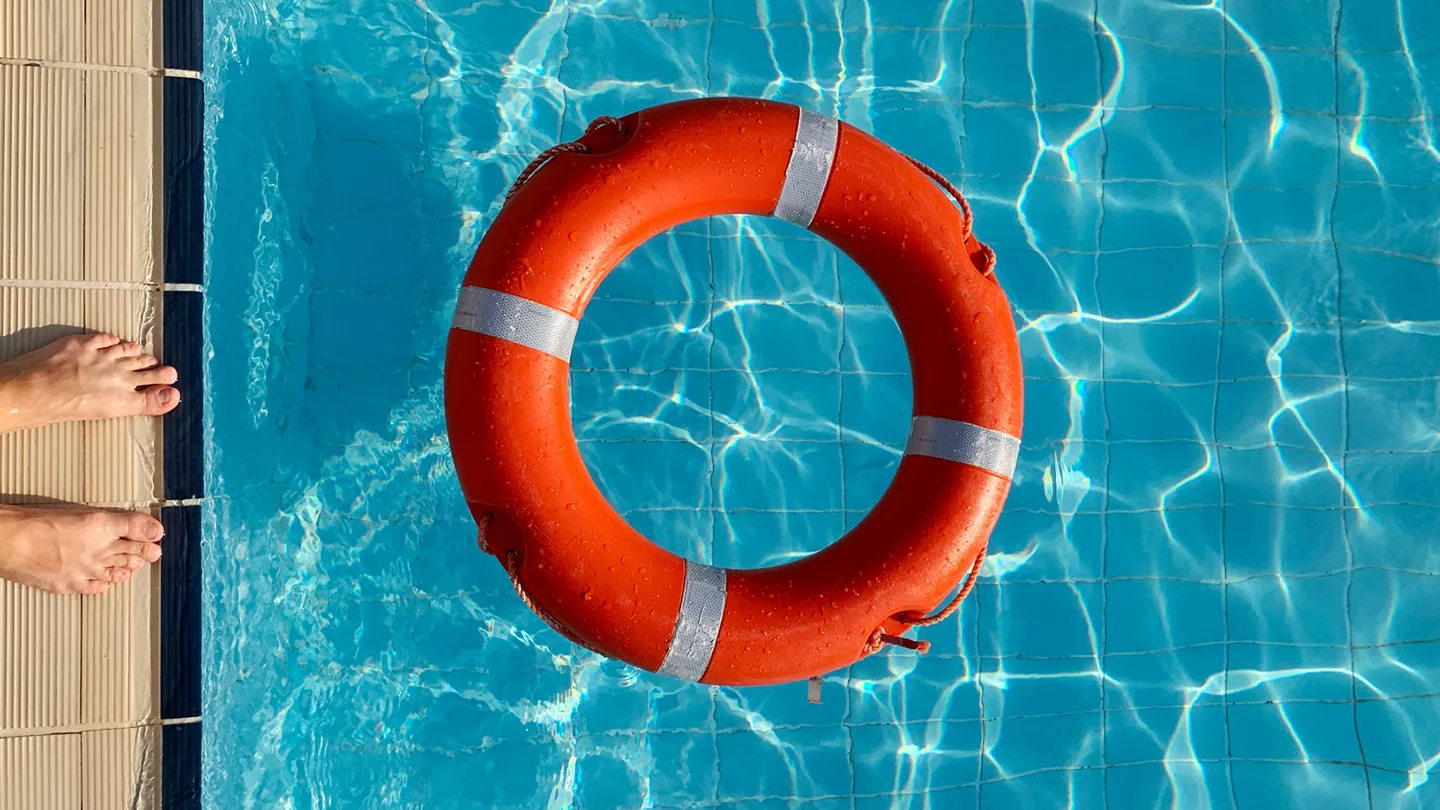
Swimming is a quintessential summer activity, whether you’re enjoying the waves at the Jersey Shore, lounging by a backyard pool, or taking a dip in a glamorous Las Vegas resort. While swimming is a fantastic way to cool off and have fun, it’s crucial to remember that water activities come with inherent risks. Understanding and practicing proper swimming safety can be the difference between a memorable vacation and a tragic accident. This guide will walk you through everything you need to know to stay safe in and around the water, no matter where your aquatic adventures take you.
The Unseen Dangers: Understanding the Risks
According to the Centers for Disease Control and Prevention (CDC), drowning is a leading cause of unintentional injury death worldwide. In the United States alone, about ten people die from unintentional drowning each day. Of these, two are children aged 14 or younger. These statistics are a sobering reminder of the importance of water safety.
Common causes of swimming accidents include:
- Lack of Swimming Ability: Many people, including adults, do not have basic swimming skills.
- Lack of Supervision: Drowning can happen quickly and silently. A moment’s distraction can have devastating consequences.
- Failure to Wear Life Jackets: Life jackets can be life-saving, especially in open water or for inexperienced swimmers.
- Alcohol Use: Alcohol impairs judgment, coordination, and balance, all of which are essential for safe swimming.
- Hazardous Water Conditions: Rip currents, strong waves, and underwater obstacles can pose a threat even to experienced swimmers.
Essential Swimming Safety Tips for All Ages
For the Little Ones: Constant Vigilance is Key
Children are particularly vulnerable to drowning. The American Red Cross emphasizes that constant supervision is the most critical layer of protection. Here are some essential tips for keeping kids safe:
- Designate a Water Watcher: This person’s sole responsibility is to watch the children in the water without any distractions.
- Use Barriers: Install a four-sided fence with a self-closing, self-latching gate around home pools.
- Enroll in Swimming Lessons: All children should learn to swim. The American Academy of Pediatrics supports swimming lessons for most children starting at age 1.
For Teens and Adults: Know Your Limits
Even strong swimmers can get into trouble. It’s important to be aware of your own abilities and the potential dangers.
- Swim with a Buddy: Never swim alone. Always have someone with you who can provide help if needed.
- Avoid Alcohol: Do not drink alcohol before or during swimming, boating, or other water activities.
- Check Water Conditions: Before entering the water, check for any posted warnings about currents, waves, or other hazards.
Pool Safety at Home and on Vacation
Securing Your Home Pool
A backyard pool can be a source of endless fun, but it also comes with significant responsibilities. The U.S. Consumer Product Safety Commission’s Pool Safely campaign provides a wealth of information on how to make your home pool safer.
- Fences and Alarms: In addition to a four-sided fence, consider installing door and window alarms to alert you if a child wanders into the pool area.
- Drain Covers: Ensure that your pool has compliant drain covers to prevent entrapment.
- Safety Equipment: Keep rescue equipment, such as a life ring or a reaching pole, readily available.
Navigating Hotel and Public Pools
When you’re on vacation, it’s easy to let your guard down. However, it’s just as important to be vigilant about water safety at hotel and public pools.
- Look for Lifeguards: Whenever possible, swim in areas protected by lifeguards.
- Follow the Rules: Obey all posted rules, such as “no diving” in shallow areas.
- Be Aware of Overcrowding: Crowded pools can make it difficult to supervise children and can increase the risk of accidents.
Beyond the Pool: Beach and Open Water Safety
Mastering the Waves: Jersey Shore and Beyond
The ocean presents a different set of challenges than a swimming pool. The United States Lifesaving Association (USLA) offers these tips for staying safe at the beach:
- Swim Near a Lifeguard: The chances of drowning at a beach protected by USLA-affiliated lifeguards are 1 in 18 million.
- Understand Rip Currents: If you get caught in a rip current, don’t fight it. Swim parallel to the shore until you are out of the current, then swim back to the beach.
- Heed Warning Flags: Pay attention to the colored flags that indicate water conditions.
Lakes, Rivers, and Quarries: Hidden Hazards
Lakes, rivers, and quarries can be beautiful places to swim, but they can also be dangerous. Be aware of the following:
- Currents and Underwater Obstacles: Rivers can have strong currents, and lakes and quarries may have submerged rocks, logs, or other debris.
- Water Quality: Natural bodies of water can be contaminated with bacteria or other pollutants. Avoid swallowing the water and shower after swimming.
- Water Temperature: Cold water can cause hypothermia, which can be life-threatening.
When Accidents Happen: Legal Recourse and Seeking Help
Even with the best precautions, accidents can still happen. In some cases, these accidents may be due to someone else’s negligence. For example, a poorly maintained pool or a lack of proper supervision at a public facility could be grounds for a premises liability claim. If you or a loved one has been injured in a swimming accident, it’s important to understand your legal rights. In such situations, consulting with a legal professional, such as a Drummond Law Firm las vegas swimming pool accident lawyer, can help you determine if you have a case.
Conclusion: A Summer of Safe Swimming
Swimming is a wonderful activity that can be enjoyed by people of all ages. By following these safety guidelines, you can ensure that your time in the water is both fun and safe. Remember to always be aware of your surroundings, know your limits, and never swim alone. Here’s to a summer of safe and enjoyable swimming, from the Jersey Shore to the pools of Las Vegas and everywhere in between.