 By Texas Parole
Key Points:
- Research indicates that King Cheesecake Company, Inc. initiated a voluntary recall in July 2025 for several ready-to-eat desserts due to potential Salmonella contamination in pecans, though no confirmed illnesses have been reported.
- The evidence suggests this Class I recall—the FDA’s highest risk level—affects products sold in six states, highlighting the need for caution without alarm.
- It seems likely that affected consumers can seek refunds by returning products, and monitoring for symptoms is advised, especially for vulnerable groups like children and the elderly.
Affected Products and Distribution
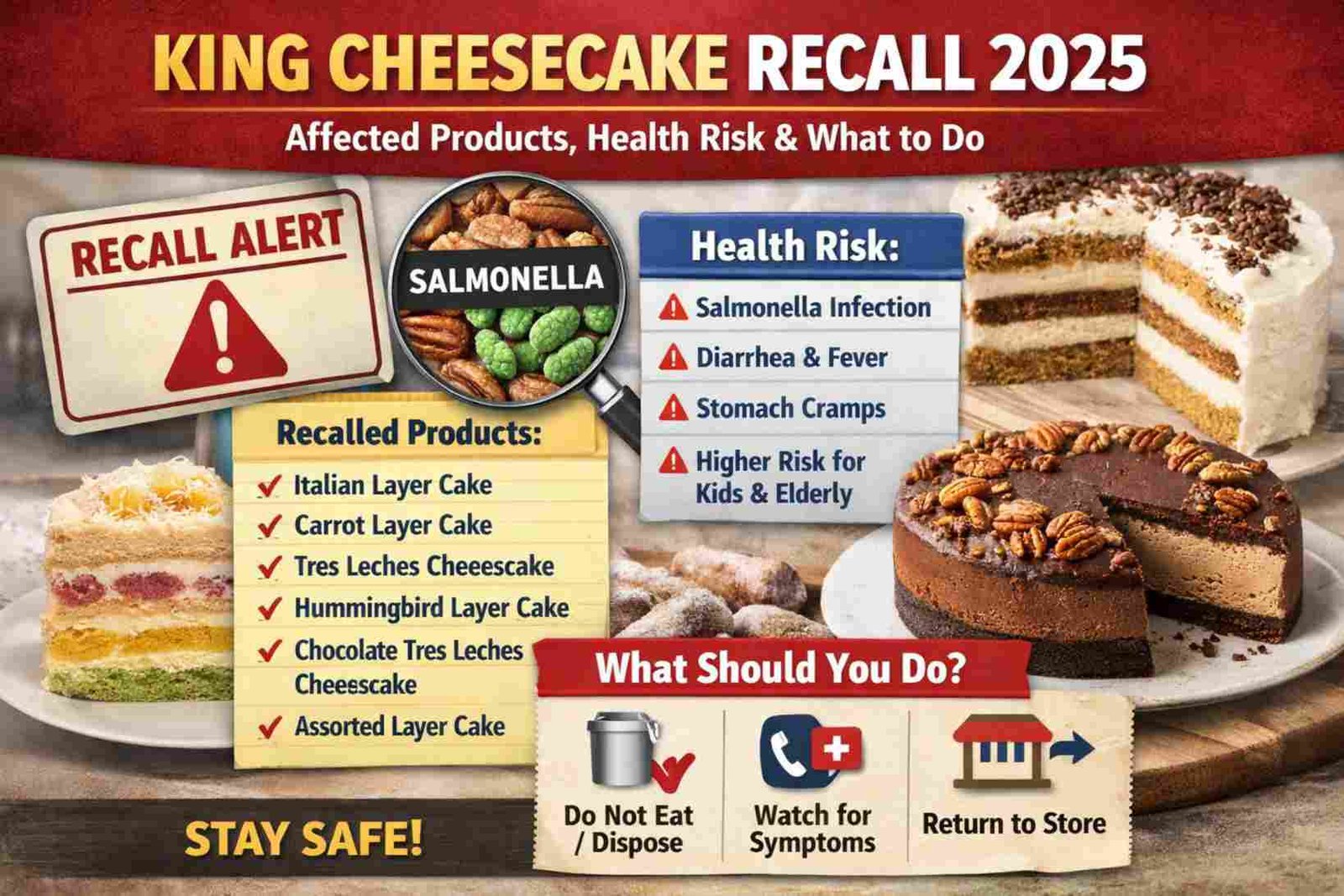
The recall involves six specific products manufactured between June 20 and July 14, 2025, including Italian Layer Cake, Carrot Layer Cake, Tres Leches Cheesecake, Hummingbird Layer Cake, Chocolate Tres Leches Cheesecake, and Assorted Layer Cake. These were distributed in Alabama, Florida, Illinois, Louisiana, Oklahoma, and Texas through retail stores. Check labels for item numbers like #1071 (Italian Layer Cake) to identify recalled items.
Source: nta-testing.com
Health Risks
Salmonella can cause symptoms such as diarrhea, fever, and stomach cramps, typically appearing 6 hours to 6 days after exposure. While most recover without treatment, it may lead to severe issues in young children, seniors, or those with weakened immune systems. If symptoms persist, consult a healthcare provider.
What to Do
Do not consume these products—discard them securely or return to the purchase location for a refund. Clean any surfaces that contacted the items to prevent cross-contamination. For more details, visit the FDA’s recall page at https://www.accessdata.fda.gov/scripts/ires/?Event=97299.
King Cheesecake Recall: Legal Implications of the Salmonella Contamination Alert and Consumer Protections
Disclaimer: This article is for informational purposes only and does not constitute legal advice. Readers should consult qualified legal professionals for advice specific to their circumstances.
Introduction
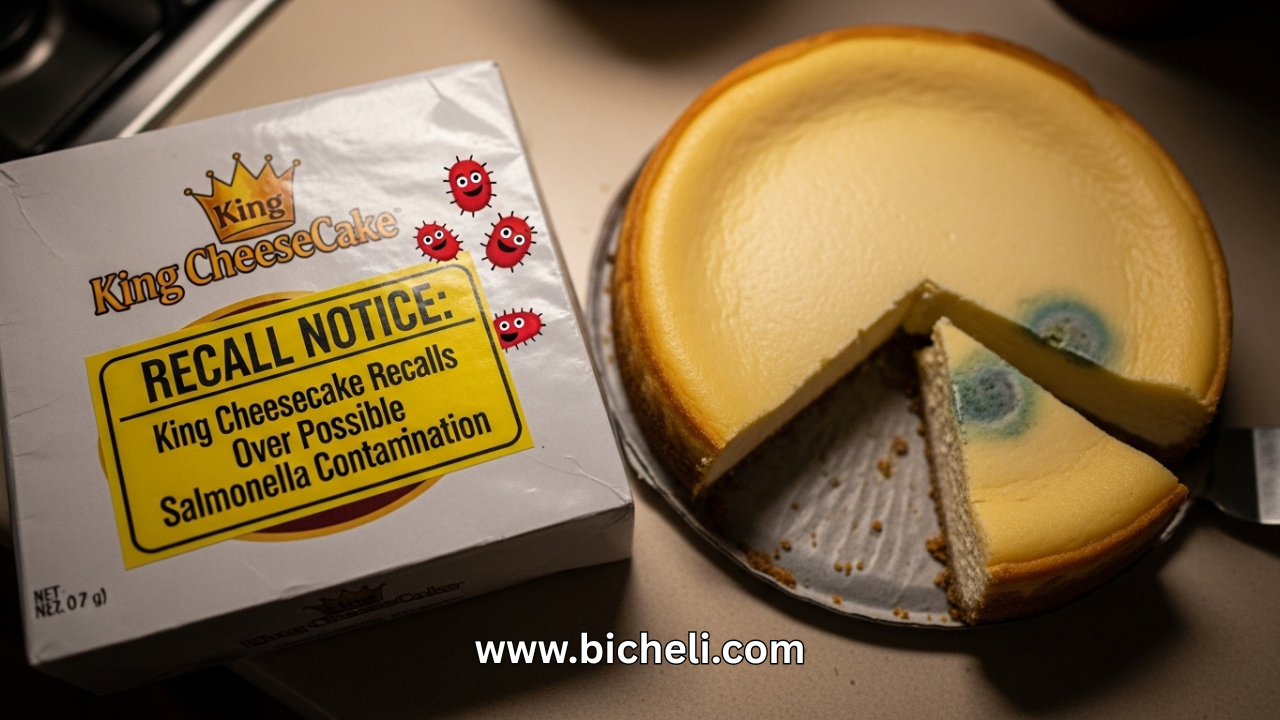
In July 2025, King Cheesecake Company, Inc., a Houston-based producer of ready-to-eat desserts, announced a voluntary recall of several products due to potential Salmonella contamination traced to pecans used in manufacturing. Classified by the U.S. Food and Drug Administration (FDA) as a Class I recall—the agency’s highest risk designation—this action underscores the potential for serious health consequences, though no illnesses were reported at the time of the announcement. The recall affects consumers in six states, retail managers, and food safety stakeholders, emphasizing the importance of swift compliance to mitigate foodborne illness risks.
This development matters now because it highlights ongoing challenges in food supply chains, where ingredient suppliers can introduce contaminants, leading to widespread recalls. For affected individuals, it raises questions about consumer rights, refund processes, and potential legal recourse if health issues arise. Families in distribution areas, such as Texas and Florida, should check their purchases immediately to ensure safety.
Background & Legal Context
The King Cheesecake recall stems from internal testing that identified possible Salmonella in pecans sourced for the products. Under the Federal Food, Drug, and Cosmetic Act (FDCA), 21 U.S.C. § 301 et seq., food products are deemed adulterated if they contain harmful substances like Salmonella, which can cause bacterial infections. The FDA, as the primary regulatory body, oversees recalls to protect public health, drawing from precedents like the 1938 FDCA amendments that strengthened adulteration prohibitions following historical food safety crises.
Voluntary recalls, like this one initiated on July 18, 2025, are common in the food industry and align with FDA guidance under 21 CFR Part 7, which outlines procedures for firms to remove hazardous products from the market. Historically, similar recalls—such as those involving nut-based ingredients—have been prompted by supplier issues, as seen in past FDA enforcement actions against contaminated pecans. The legislative intent behind these regulations, reinforced by the Food Safety Modernization Act (FSMA) of 2011, shifts focus to prevention, requiring companies to implement hazard analysis and risk-based preventive controls (HARPC).
In real-world scenarios, such recalls often follow FDA inspections or third-party audits, though details on the specific trigger for King Cheesecake remain limited to company statements. Prior court decisions, like those in product liability cases under state laws (e.g., strict liability doctrines in Texas courts), illustrate how manufacturers can face accountability if contamination leads to harm, even in voluntary recall situations.
Key Legal Issues Explained
Adulteration and FDA Classification
Under FDCA Section 402(a), a food is adulterated if it bears or contains any poisonous or deleterious substance that may render it injurious to health. Salmonella, a common foodborne pathogen, fits this definition, prompting the Class I classification on August 7, 2025. This level indicates a reasonable probability of serious adverse health consequences or death, distinguishing it from lower-risk Class II or III recalls. In plain terms, this means the FDA views the potential exposure as severe, warranting immediate consumer action.
Voluntary vs. Mandatory Recalls
While the FDA can mandate recalls under FSMA authority (21 U.S.C. § 350l), most, including this one, are voluntary. This process involves the company notifying distributors, retailers, and sometimes consumers directly. Legal responsibilities include effective communication and product retrieval, with failure potentially leading to FDA seizures or injunctions. For consumers, this framework ensures rights to safe products under implied warranties in the Uniform Commercial Code (UCC), adopted by most states.
Consumer Rights and Liability
Consumers have rights under state consumer protection laws, such as Texas’s Deceptive Trade Practices Act, to seek refunds or damages if affected. If illnesses occur, product liability claims could arise under theories of negligence, strict liability, or breach of warranty, without needing to prove fault—only that the product was defective. Courts like the U.S. Supreme Court in cases such as Daubert v. Merrell Dow Pharmaceuticals (1993) emphasize evidence-based causation in such suits. However, without reported outbreaks, litigation remains speculative.
Cross-contamination risks in processing plants, as potentially relevant here, tie into FDA Good Manufacturing Practices (GMPs) under 21 CFR Part 117, requiring sanitation controls.
Latest Developments or Case Status
As of February 2026, the recall remains active with no updates indicating illnesses or expansions. The FDA’s Enforcement Report lists the event (ID 97299) but provides no further filings or announcements. No lawsuits have been reported against King Cheesecake Company, contrasting with unrelated cases like the 2014 Cheesecake Factory Salmonella outbreak, which led to settlements. Monitoring by agencies like the Centers for Disease Control and Prevention (CDC) continues, but the absence of confirmed cases suggests effective containment.
The company, located in Houston, has not issued public statements beyond the initial recall, and contact attempts for comment were unanswered.
Who Is Affected & Potential Impact
Primarily, consumers who purchased the recalled products between June and July 2025 in Alabama, Florida, Illinois, Louisiana, Oklahoma, or Texas are at risk. This includes families, especially those with vulnerable members, and retail managers who must remove items from shelves to avoid liability under negligence principles.
Businesses like grocery stores face potential impacts, including reputational harm and compliance costs, as seen in past recalls leading to supply chain audits. Broader consequences could involve increased FDA scrutiny on nut suppliers, potentially affecting the ready-to-eat dessert industry. If an outbreak emerges, economic losses—medical costs, lost wages—could trigger class-action suits, similar to those handled by bar associations in food poisoning cases.
| Product Name | Item Number | Type | Potential Risk |
|---|---|---|---|
| Italian Layer Cake | #1071 | Layer Cake | Salmonella from Pecans |
| Carrot Layer Cake | #1312 | Layer Cake | Salmonella from Pecans |
| Tres Leches Cheesecake | #99272 | Cheesecake | Salmonella from Pecans |
| Hummingbird Layer Cake | #3145 | Layer Cake | Salmonella from Pecans |
| Chocolate Tres Leches Cheesecake | #99273 | Cheesecake | Salmonella from Pecans |
| Assorted Layer Cake | #2485 | Layer Cake | Salmonella from Pecans |
Source: bicheli.com
What This Means Going Forward
This recall reinforces the legal significance of proactive food safety under FSMA, potentially leading to stricter supplier vetting in the industry. For the public, it serves as a reminder to monitor FDA alerts and product labels. Readers should watch for any CDC outbreak announcements or company updates, as evolving evidence could shift liabilities.
In terms of industry impact, enhanced traceability requirements may emerge, aligning with ongoing FDA initiatives to prevent cross-contamination in processing plants.
Frequently Asked Questions
What is the king cheesecake recall 2025 list of products?
The recalled products include Italian Layer Cake (#1071), Carrot Layer Cake (#1312), Tres Leches Cheesecake (#99272), Hummingbird Layer Cake (#3145), Chocolate Tres Leches Cheesecake (#99273), and Assorted Layer Cake (#2485), all manufactured from June 20 to July 14, 2025.
What to do if I ate recalled King Cheesecake?
Monitor for Salmonella symptoms like diarrhea, fever, and cramps. If symptoms appear, seek medical attention. Legally, document any health issues for potential claims, but consult a doctor first.
What are symptoms of salmonella from cheesecake?
Symptoms include nausea, vomiting, abdominal pain, diarrhea, and fever, onset typically within 6-72 hours. Severe cases may require hospitalization, especially in high-risk groups.
What is the King Cheesecake refund process?
Return the product to the place of purchase for a full refund, as per standard recall procedures under FDA guidelines. No receipt may be required in many cases.
Is there a King Cheesecake recall July update?
The recall was initiated in July 2025 and classified in August; no further updates as of February 2026.
What is the regional distribution of King Cheesecake products?
Products were sold in Alabama, Florida, Illinois, Louisiana, Oklahoma, and Texas.
How to identify recalled dessert labels?
Look for manufacturing dates from 6/20/25 to 7/14/25 and specific item numbers on packaging.
Conclusion
The King Cheesecake recall exemplifies the regulatory frameworks designed to safeguard consumers from foodborne risks, balancing urgency with measured response. While no illnesses have surfaced, it underscores the value of vigilance in food safety. Stay informed through FDA and CDC channels to protect your rights and health.
You May Also Like: From Thin Mints to Thin Ice: Unpacking the Girl Scouts Cookies Lawsuit