
 By Texas Parole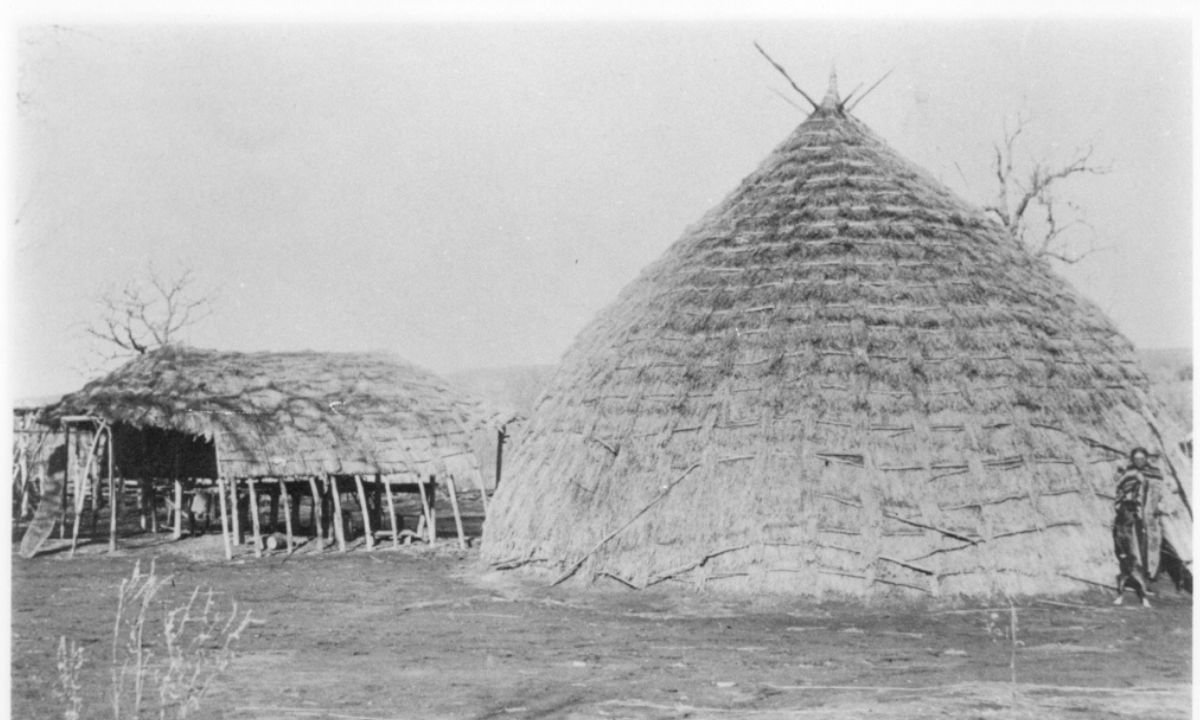
The Wichita Tribe, known to themselves as the Kitikiti’sh or “raccoon-eyed people,” represents one of the enduring Native nations of the Southern Plains. These skilled hunters, farmers, traders, and negotiators once thrived across vast territories from present-day Texas to Kansas.
Today, the Wichita and Affiliated Tribes (Wichita, Keechi, Waco, and Tawakoni) stand as a federally recognized sovereign nation headquartered in Anadarko, Oklahoma, with nearly 3,000 enrolled members. Their story blends resilience through displacement, disease, and allotment with a strong commitment to cultural revival and self-governance.
In this guide, we explore the Wichita Tribe’s rich heritage, historical challenges, legal status, and vibrant present. Whether you seek to understand Native American history, tribal sovereignty, or ways to support Indigenous communities, this overview highlights their enduring legacy.
Origins and Traditional Way of Life
The Wichita people trace their roots deep into the Southern Plains. Archaeological evidence links them to the Plains Village tradition, which dates back around 1,200 years. Their ancestors built thriving villages along rivers, cultivating corn, beans, squash, and sunflowers while hunting buffalo.
They lived in distinctive grass lodges. These large, dome-shaped structures offered comfort in the extreme Plains climate. As semi-sedentary people, the Wichita combined agriculture with seasonal hunts and extensive trade networks reaching to the Pueblo peoples of the Southwest.
Key elements of traditional Wichita culture included:
- Farming expertise: They developed productive fields that supported large villages.
- Hunting prowess: Fall and winter buffalo hunts provided essential resources.
- Tattooing traditions: Circular and linear tattoos around the eyes earned them the name “raccoon-eyed people” (Kitikiti’sh). Neighboring tribes recognized this distinctive practice.
- Social structure: Organized in confederated bands, including Wichita proper, Taovaya, Tawakoni, Waco, and later Kichai (Keechi).
Imagine thriving in a village where communal life revolved around seasonal cycles, spiritual ceremonies, and trade. The Wichita excelled as negotiators, maintaining peaceful relations with many groups while defending their territories when necessary.
Historical Homelands and European Contact
The Wichita Tribe’s ancestral lands stretched impressively from San Antonio, Texas, in the south to Great Bend, Kansas, in the north. In the early 18th century, they occupied much of northern Texas.
Spanish explorers encountered them in the 16th century, followed by French traders who called them “Panis Piqués” or Tattooed Pawnee. The 19th century brought immense upheaval. Forced relocations, the Civil War, and epidemics drastically reduced their numbers. By the early 1900s, only about 300-340 members remained.
In 1859, survivors relocated to a reservation near Anadarko in Indian Territory (Oklahoma). Further pressures led to allotment in the late 19th century, fragmenting communal lands but not breaking the people’s spirit.
Treaties, Sovereignty, and Legal Recognition
As a federally recognized tribe, the Wichita and Affiliated Tribes exercise inherent sovereignty. This status stems from pre-colonial self-governance and affirmed through treaties and federal law.
Notable agreements include the 1872 agreement with the United States and earlier interactions. The tribe organized under the Indian Reorganization Act of 1934 and the Oklahoma Indian Welfare Act of 1936. An elected President and Executive Committee now govern, managing programs in health, education, housing, and cultural preservation.
Tribal sovereignty allows the Wichita and Affiliated Tribes to:
- Determine citizenship and enrollment.
- Enact laws and maintain a justice system.
- Develop economic enterprises while protecting cultural resources.
- Engage in government-to-government relations with the United States.
Land claims and rights assertions continue. The tribe has pursued compensation for historical losses while focusing on future self-sufficiency.
Understanding these legal foundations matters. Tribal nations like the Wichita operate as distinct political entities. Their relationship with federal and state governments reflects unique trust responsibilities rather than standard state-federal dynamics.
Modern Wichita and Affiliated Tribes: Culture, Services, and Achievements
Headquartered in Anadarko, Oklahoma, the tribe serves members across the region. Enrollment stands strong, with recent figures showing continued growth and community engagement.
The nation offers vital services:
- Education programs from pre-K through higher education support.
- Health and wellness initiatives, including substance abuse and mental health resources.
- Housing assistance and economic development.
- Cultural preservation efforts, such as language revitalization, traditional songs, dances, and powwows.
The Wichita Tribal Museum and annual events keep traditions alive. Descendants maintain connections to their Plains Village heritage through storytelling, ceremonies, and community gatherings.
Economic initiatives, including enterprises like Anadarko Industries, support self-determination. These efforts create jobs and fund tribal programs while honoring sovereignty.
Challenges Overcome and Lessons for Today
The Wichita story highlights resilience. From near-extinction due to disease and displacement to a thriving nation of nearly 3,000, their journey exemplifies strength. Allotment policies disrupted traditional life, yet communal values and adaptability prevailed.
Today, the tribe addresses contemporary issues. These include cultural education for youth, environmental stewardship, and visibility during Native American Heritage Month. Leaders emphasize that each of the 570+ federally recognized tribes has unique histories and contributions.
For non-Native readers, learning about the Wichita Tribe fosters greater appreciation. It counters stereotypes and supports accurate history education. Many place names across Texas, Oklahoma, and Kansas, such as Wichita Falls, echo their legacy.
Preserving the Future of the Wichita Tribe
The Wichita and Affiliated Tribes continue building on centuries of endurance. Their success as hunters, farmers, traders, and modern leaders offers inspiration.
Key takeaways include the importance of sovereignty, the power of cultural preservation, and the value of understanding Indigenous histories beyond textbooks. By recognizing the Wichita Tribe’s contributions, we honor the broader tapestry of American heritage.
If you want to learn more or support their efforts, visit the official Wichita and Affiliated Tribes website (wichitatribe.com) for authentic information, events, and ways to engage. Consider exploring local museums or attending public powwows. Every step toward awareness strengthens Indigenous voices.